From concept to tourism influence
Not every destination project becomes part of the global travel imagination before large numbers of guests arrive. NEOM is unusual because its conceptual power has already made it influential. It has moved from being an internal plan to being a widely recognized tourism and design reference point.
That influence matters because the future of tourism is shaped not only by operational hotels, but also by the ideas that redefine what travelers begin to expect from destinations.
Why the visual language is so effective
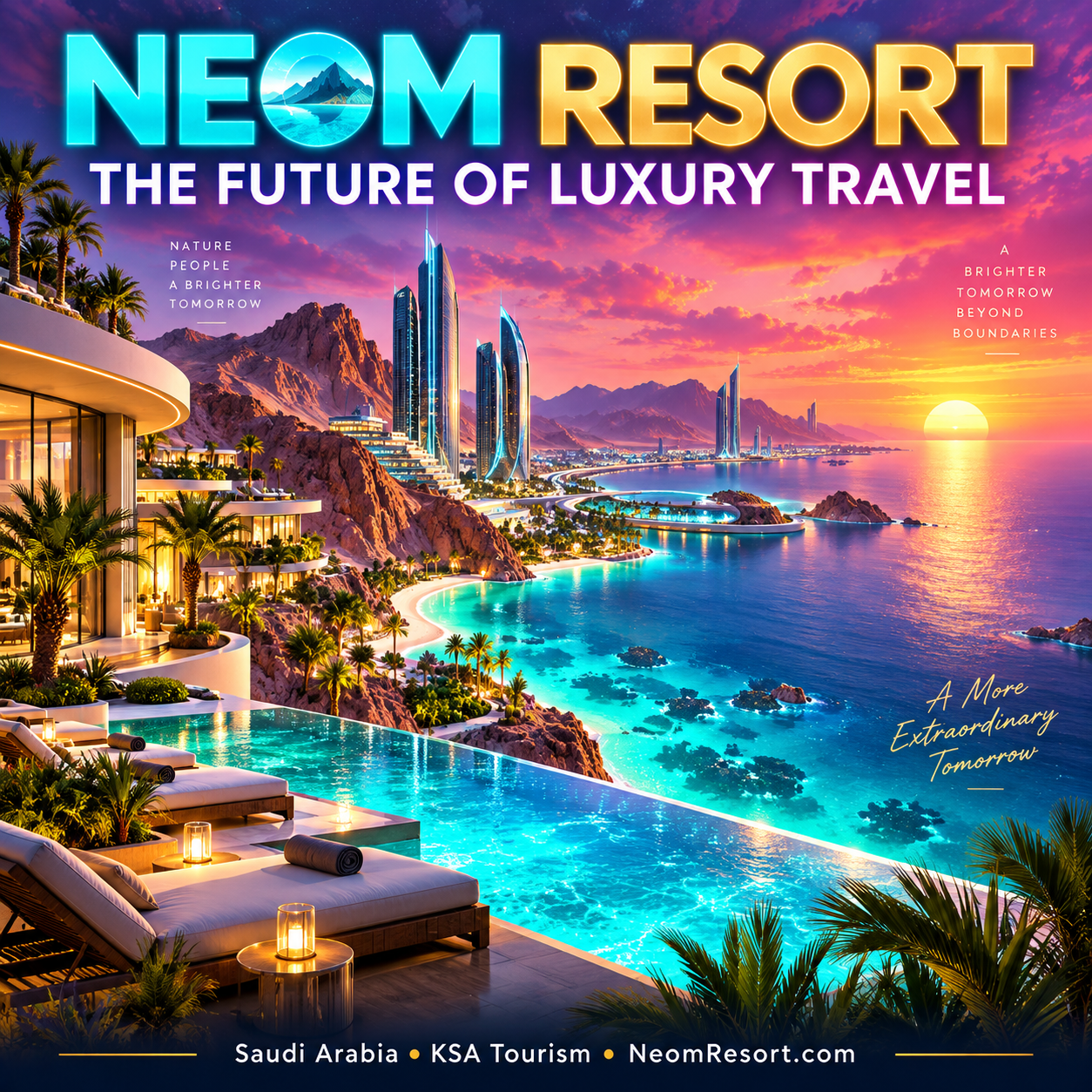
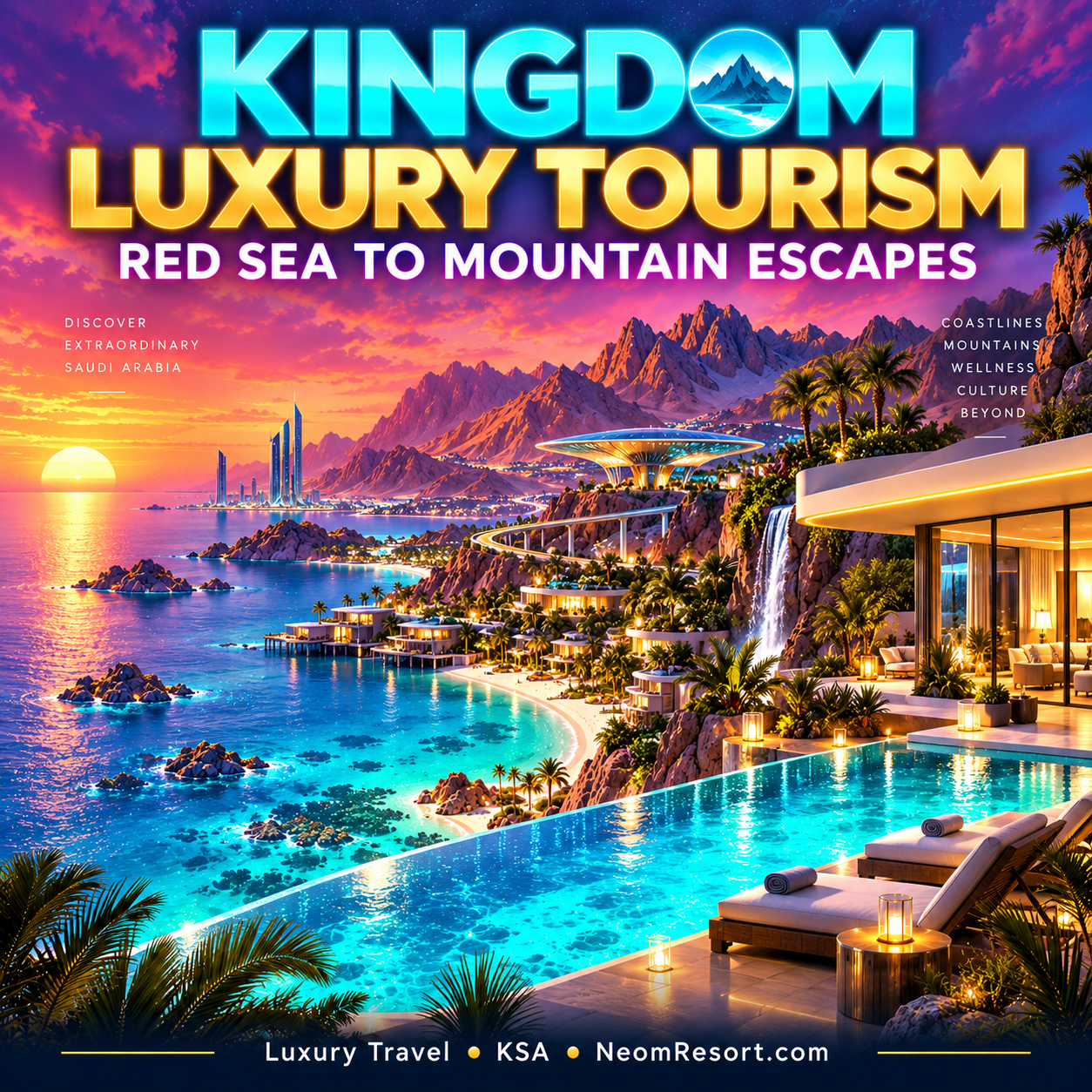
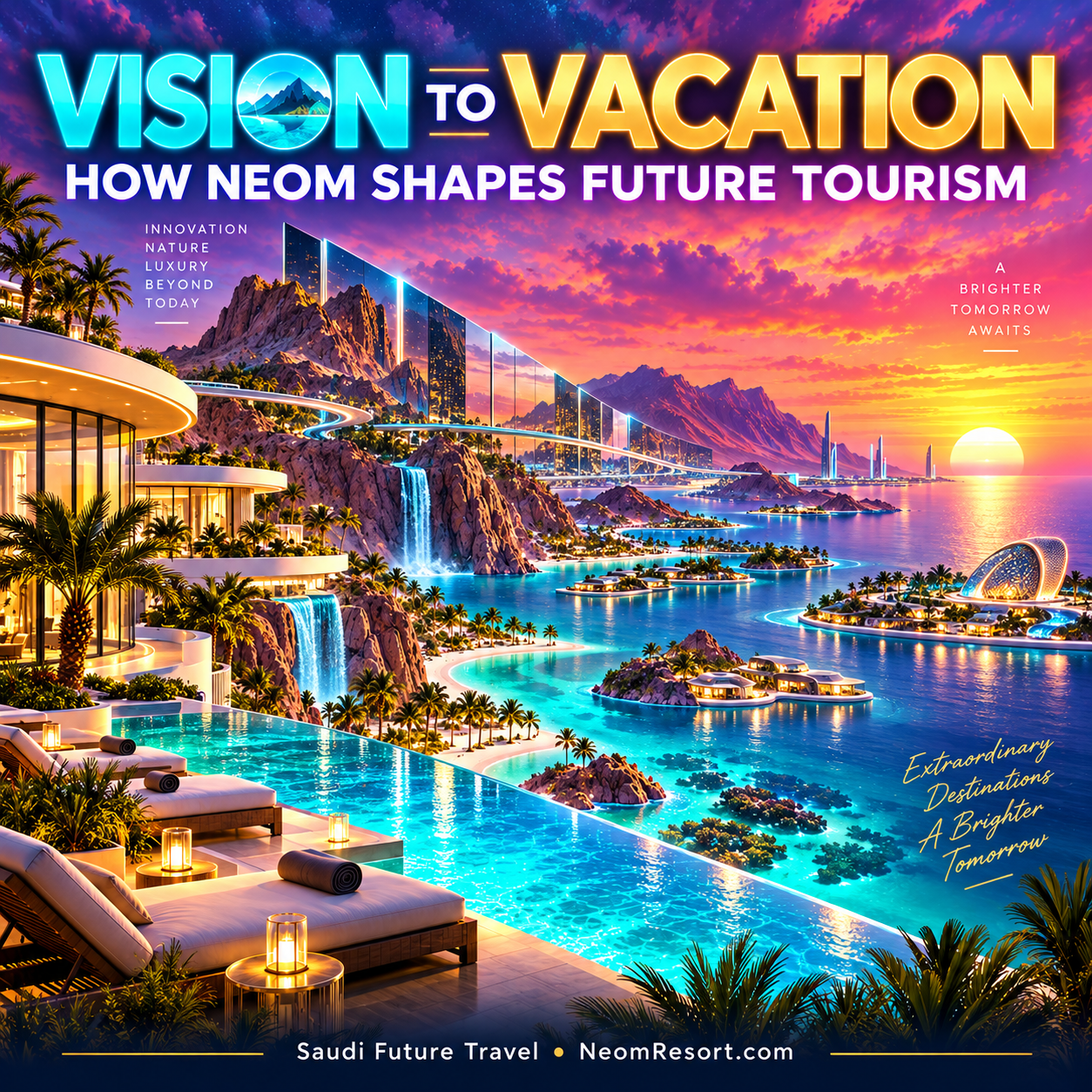
NEOM’s visual language combines water, architecture, light, elevation, and expansive movement. This makes it adaptable across many sub-stories: island leisure, marine lifestyle, futuristic skyline, mountain retreat, and premium urban possibility. Few destination brands can stretch across that many moods while still feeling coherent.
For travel audiences, coherence builds trust in the imagination of the place. Even when components are varied, the destination still feels like it belongs to one larger vision.
How this shapes traveler expectations
The more people encounter design-rich destination storytelling, the more their baseline expectations change. Travelers begin to want stronger narratives, more intentional architecture, smoother guest journeys, and environments that feel emotionally distinct. NEOM contributes to that shift by presenting hospitality as part of a total-world design approach.
This does not mean every stay must be futuristic. It means destination branding now competes at the level of atmosphere and imagination, not only service and price.
A new model for luxury tourism branding
Traditional tourism marketing often highlighted amenities first and destination second. Future-oriented projects invert that order. They sell the sense of place and the larger story, with the hotel or resort experience acting as a gateway into that story. NEOM is a clear example of this model.
That approach can be powerful because travelers increasingly want meaning and memorability alongside comfort. A place that feels like a bigger idea can carry more emotional weight.
What visitors should remember
A strong vision does not remove the need for travel diligence. The same questions still matter: who operates the stay, what is open, how do you arrive, what is included, and how flexible are the booking terms? The vision should enrich your research, not replace it.
Approached correctly, design ambition becomes a useful filter. It helps you decide what is worth exploring more seriously.
The takeaway
The NEOM project shapes future tourism because it raises the imaginative ceiling for destination development. It shows how visual identity, infrastructure ambition, and luxury storytelling can work together to influence travel culture itself.
For travelers and industry watchers alike, that makes NEOM more than a destination concept. It makes it a reference point for where hospitality narratives may be heading next.